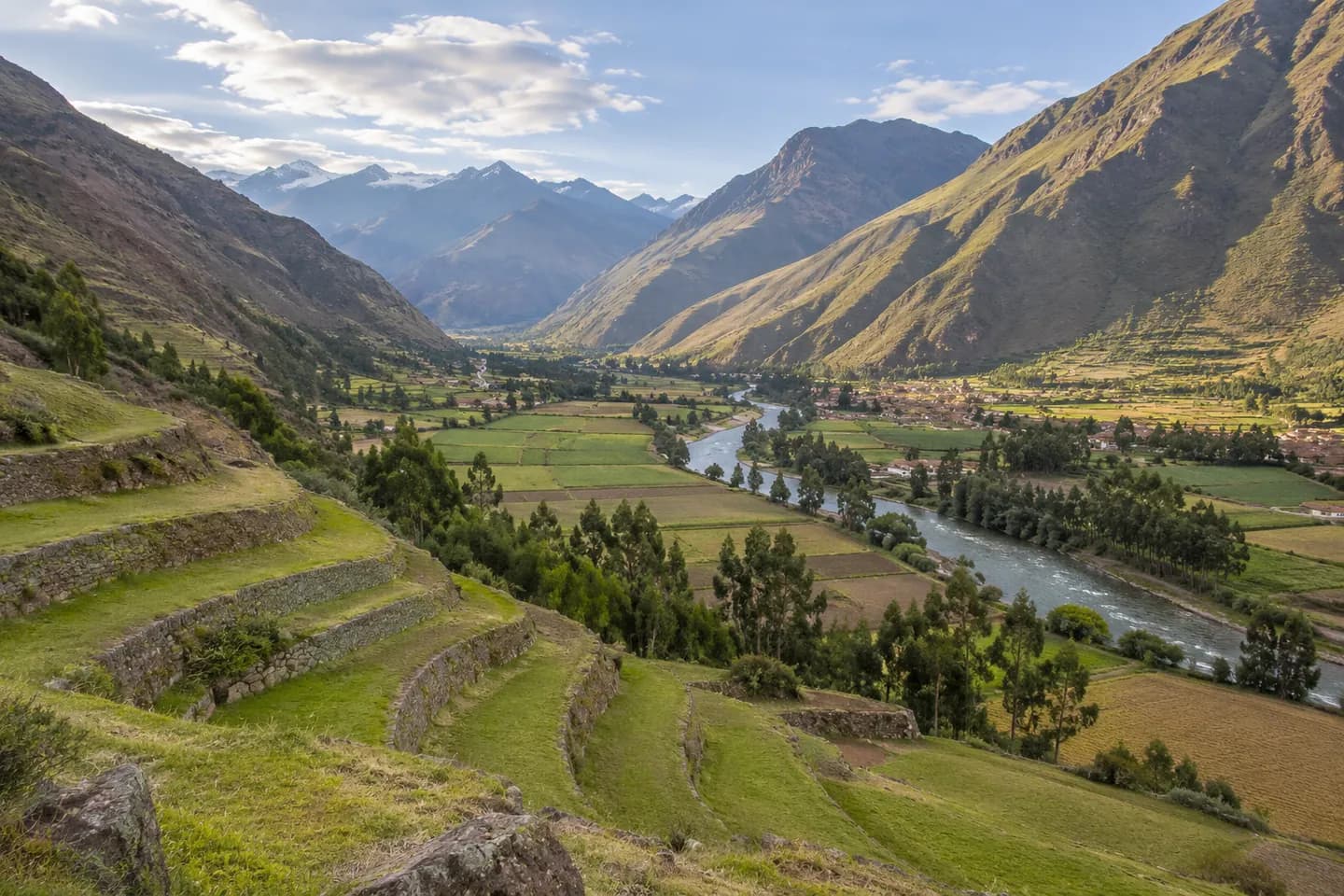
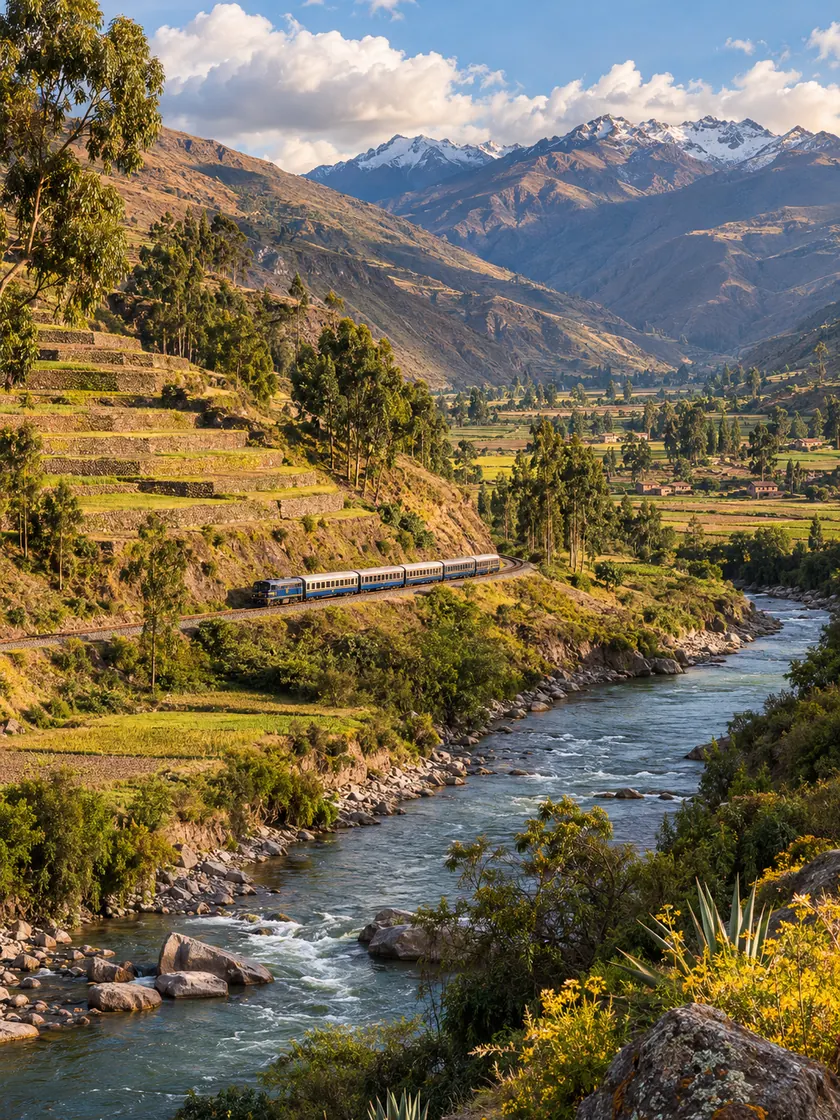
The Sacred Valley is often seen as a stop in between, but in a carefully designed itinerary it works as a natural entrance into the trip. It not only helps with acclimatization; it also prepares the eye to understand the territory before arriving at Machu Picchu.
A gentler rhythm to begin with
Altitude, movement, and a new context feel very different when the itinerary begins with days that let you adapt without pressure. The Sacred Valley offers exactly that margin.
Landscape, community, and a better reading of the territory
Terraces, Andean towns, artisan production centers, and archaeological sites build a much more complete reading of the journey. It is not only a sequence of stops; it is a way of arriving at Machu Picchu with more context.
When this route makes the most sense
- If you want to start with a more balanced experience.
- If you value combining landscape with living culture.
- If you are looking for a premium itinerary without a rushed feeling.
Well designed, this route does not compete with Machu Picchu. It prepares you for it.
Build a route around interests, not a checklist
The Sacred Valley has more than one worthwhile stop. Peru's official tourism site highlights Pisac, Chinchero, Maras, Moray and Ollantaytambo. They are not interchangeable: markets and living traditions, terraces, historic settlements and landscape each invite a different pace. Pick fewer places if that means spending enough time in each one.
| If you want to focus on... | Consider | Planning question |
|---|---|---|
| Archaeology and context | Pisac or Ollantaytambo. | How long is the guided visit, not just the drive? |
| Landscape and local production | Maras and Moray. | Which stops are included and where are the viewpoints? |
| A calmer connection onward | An overnight plan around Ollantaytambo. | How does it connect to your train or next tour? |
A practical sequence before Machu Picchu
On the arrival day, allow time for the transfer and a comfortable first evening. On a separate valley day, choose two or three places that fit your interests and travel time. Then confirm the transport and entry schedule for Machu Picchu. This is a planning pattern, not a fixed itinerary: access, trains and opening conditions change.
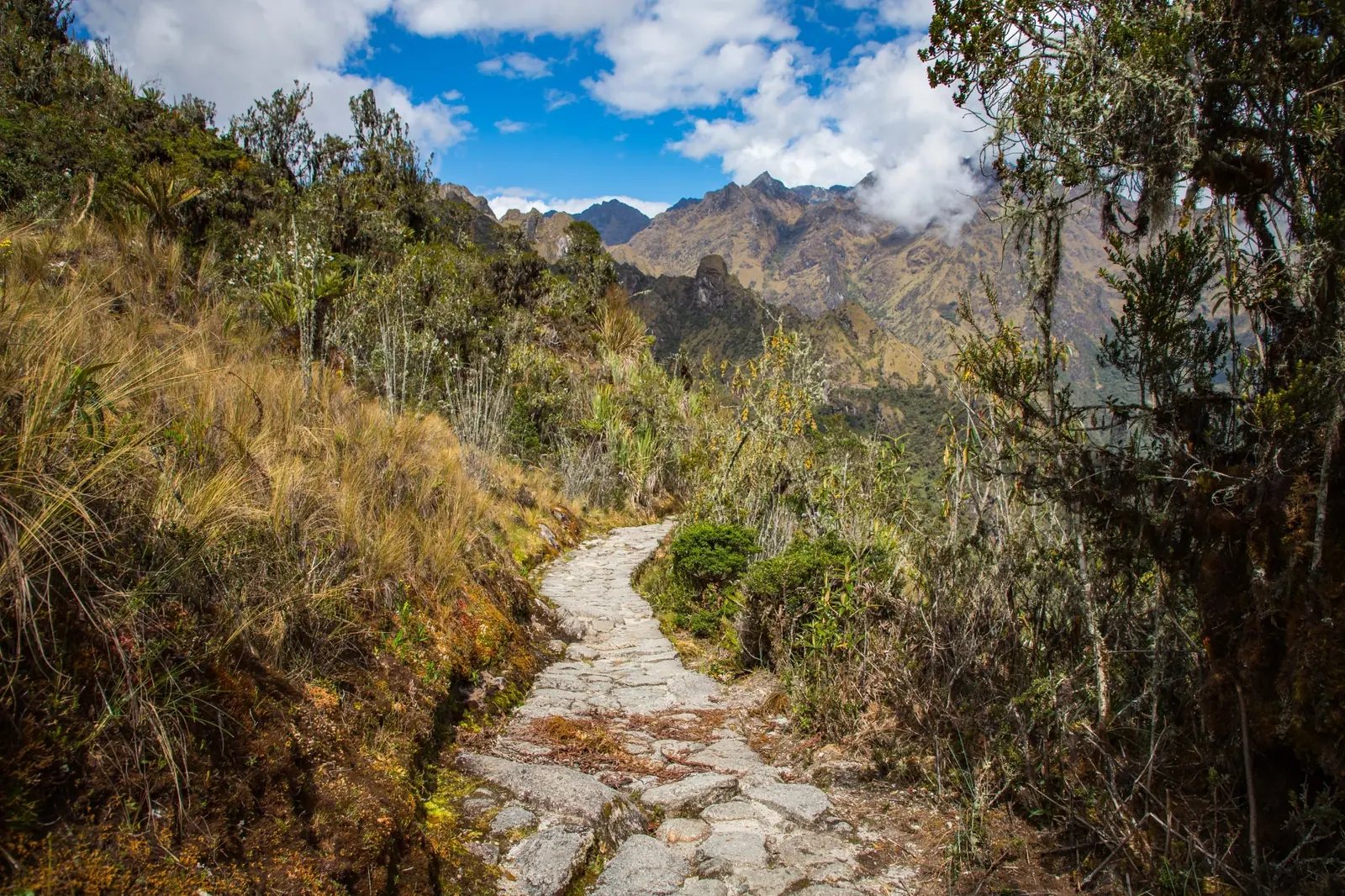
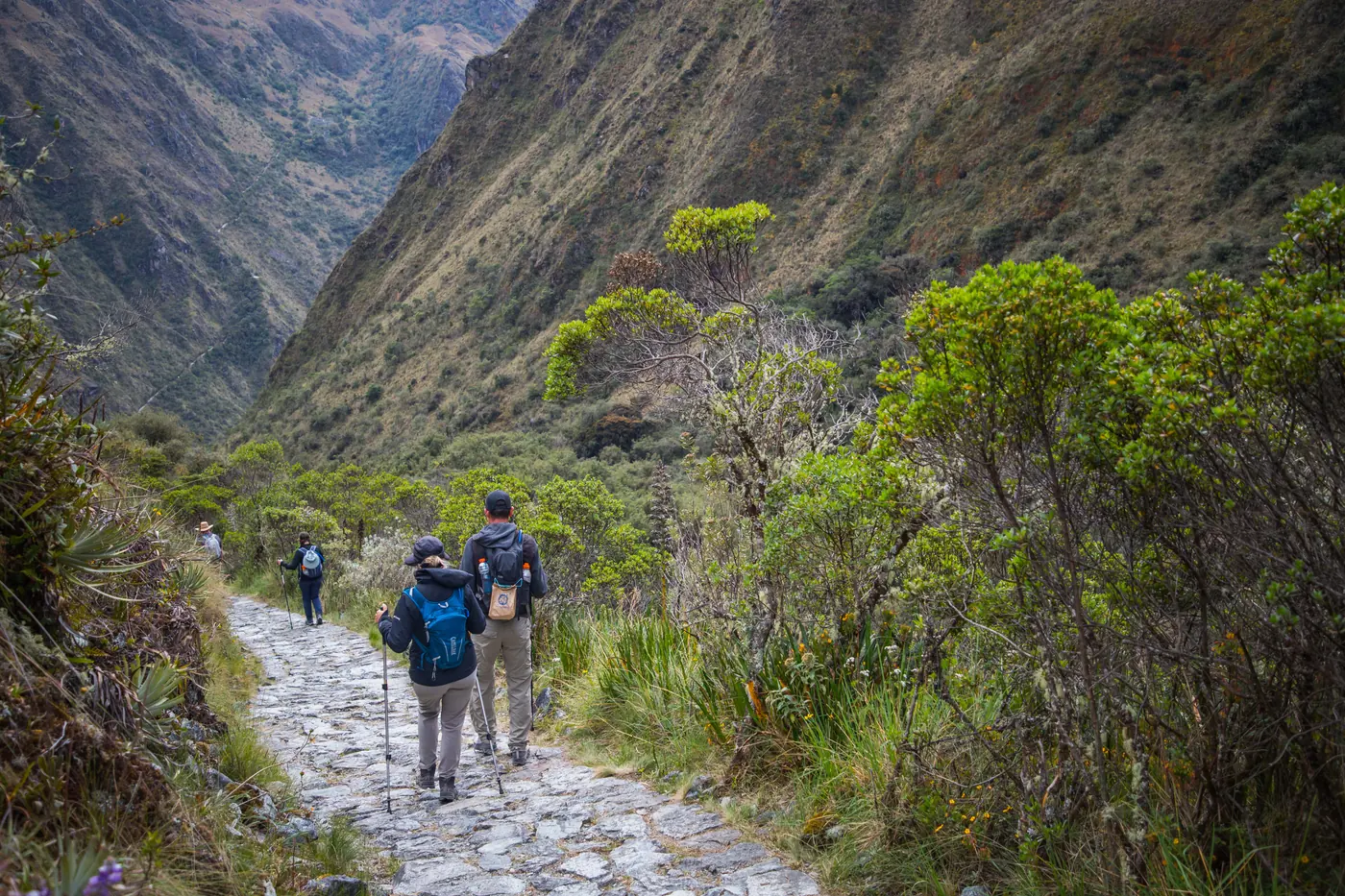
If your journey includes trekking, ask about the elevation profile of every day. The valley may be part of a gentler start for some travelers, but location alone is not a medical guarantee of acclimatization. The CDC's altitude guidance recommends evaluating ascent and personal risk.
What to confirm before paying
- Which sites, entrance fees and guided visits are included?
- How much time is spent at each stop after travel time?
- Which train station, departure time and Machu Picchu circuit are confirmed?
- Is the itinerary comfortable for your arrival day and onward trek?
For a two-day continuation, compare a real departure and return schedule such as our Machu Picchu train tour. The valley is most valuable when it makes the rest of the journey clearer, not when it merely adds stops.
Questions travelers ask before adding the valley
Is one day enough?
One well-paced day can introduce part of the valley, but not every town and site. Decide what matters most, account for road time and leave space for the guided visit. A list of five stops is not automatically better than two meaningful ones.
Does visiting the valley replace altitude planning?
No. Even if you begin with a gentler schedule, your onward trek may climb much higher. Discuss your complete ascent and sleeping plan with the operator, and seek medical advice if your personal circumstances warrant it.
Can I connect it to the Machu Picchu train?
Many itineraries connect through Ollantaytambo, but train times, stations and ticketed Machu Picchu circuits must be checked for your date. A clear handoff between valley sightseeing and the next morning's departure is more useful than an overfilled afternoon.