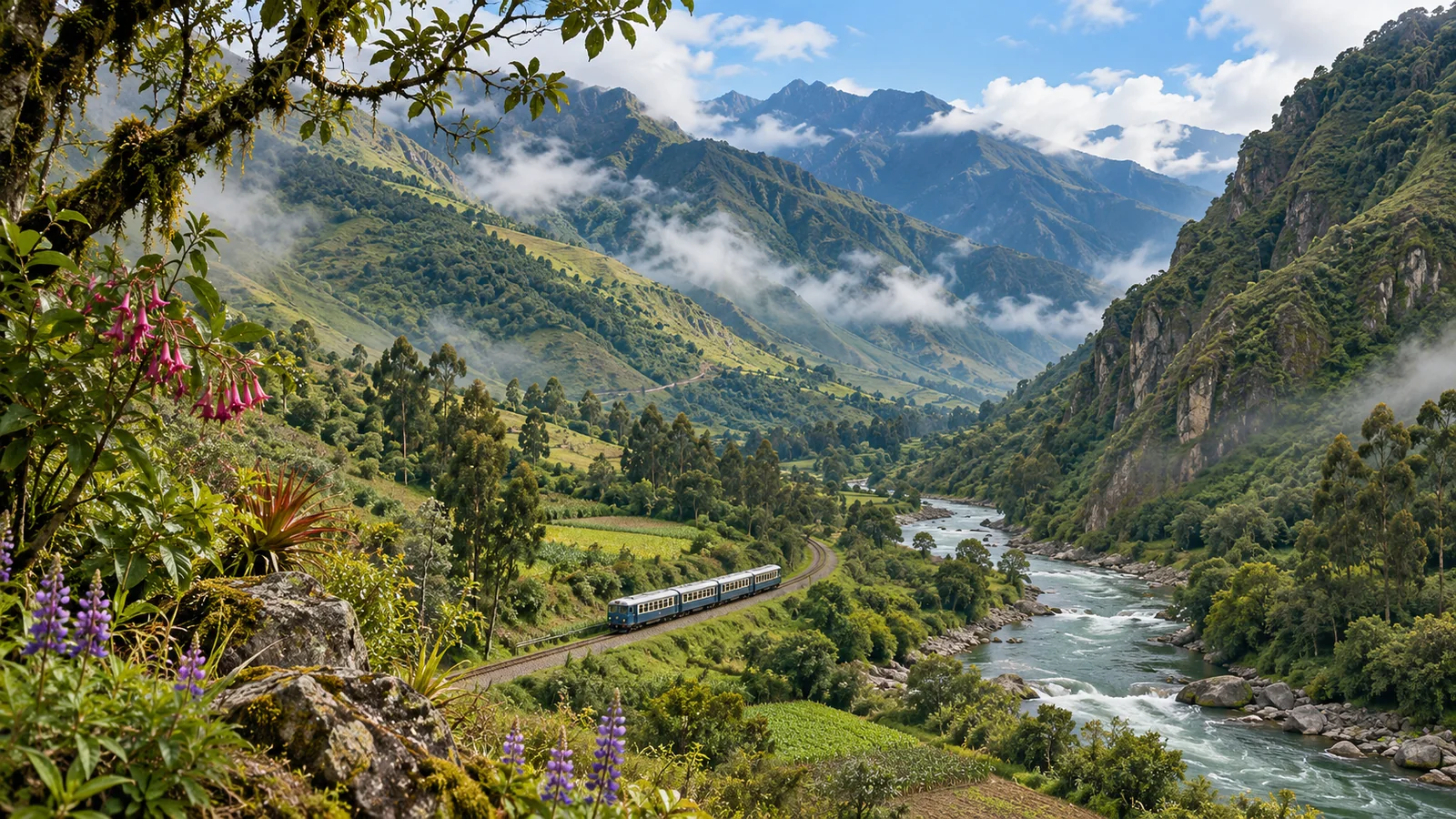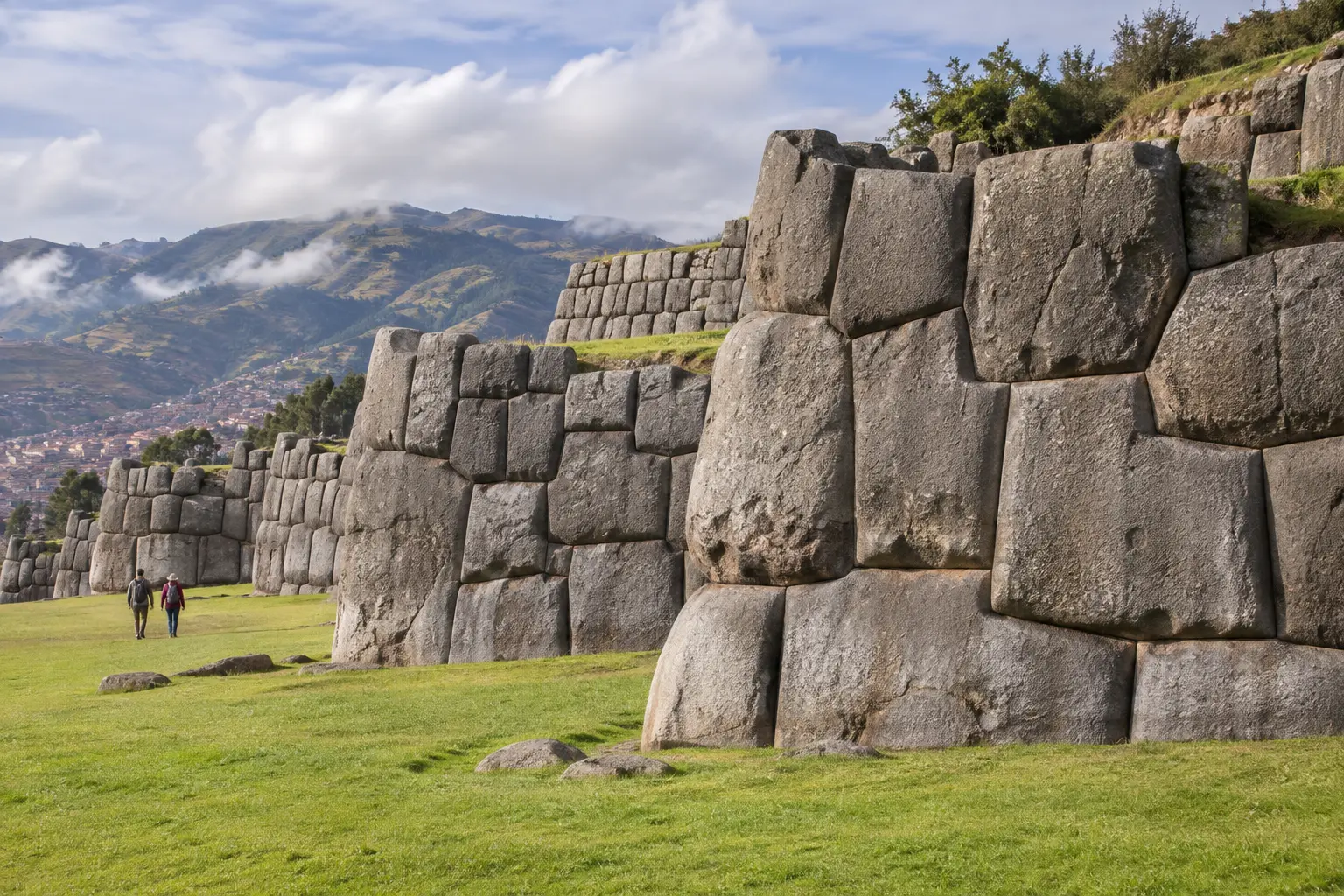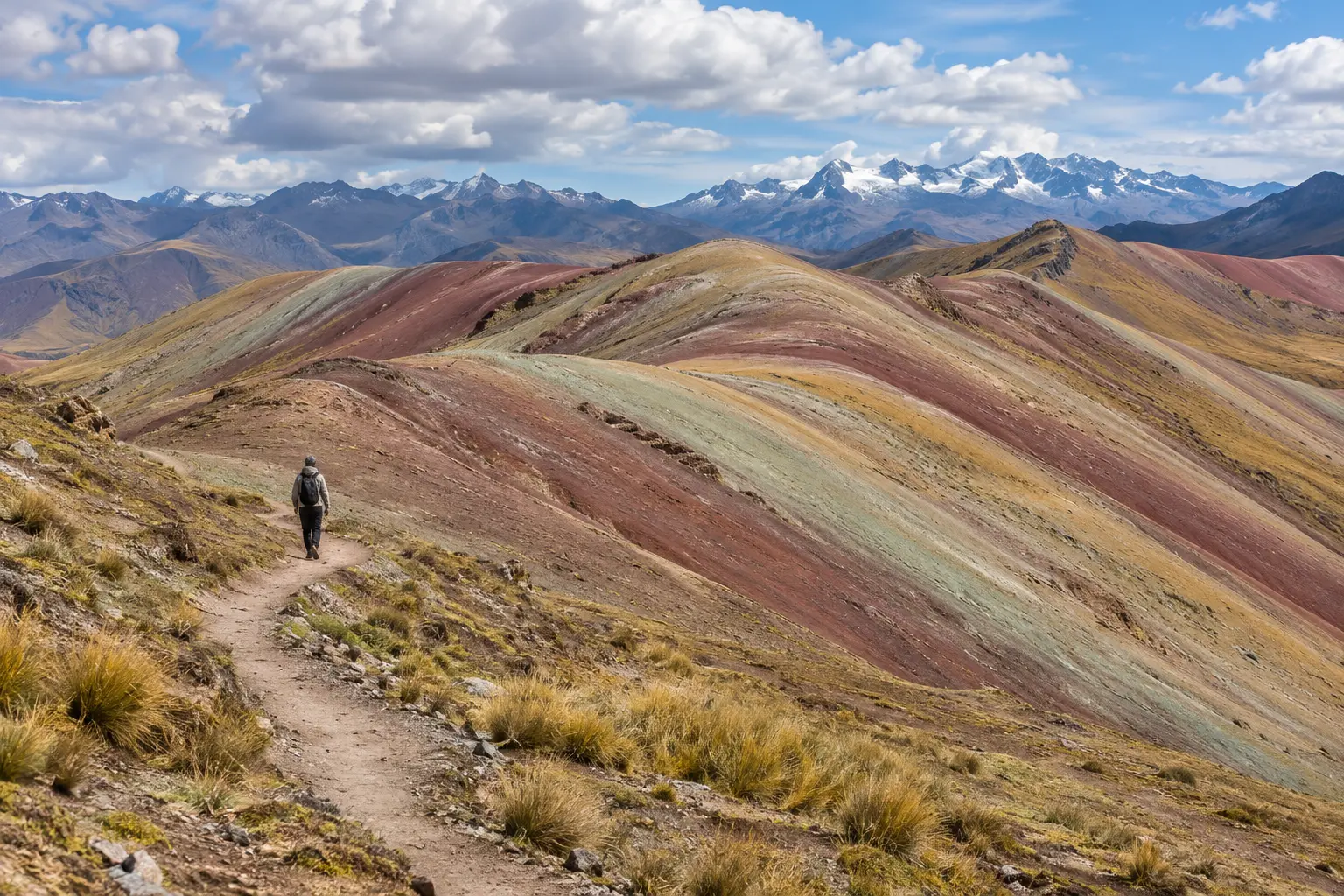
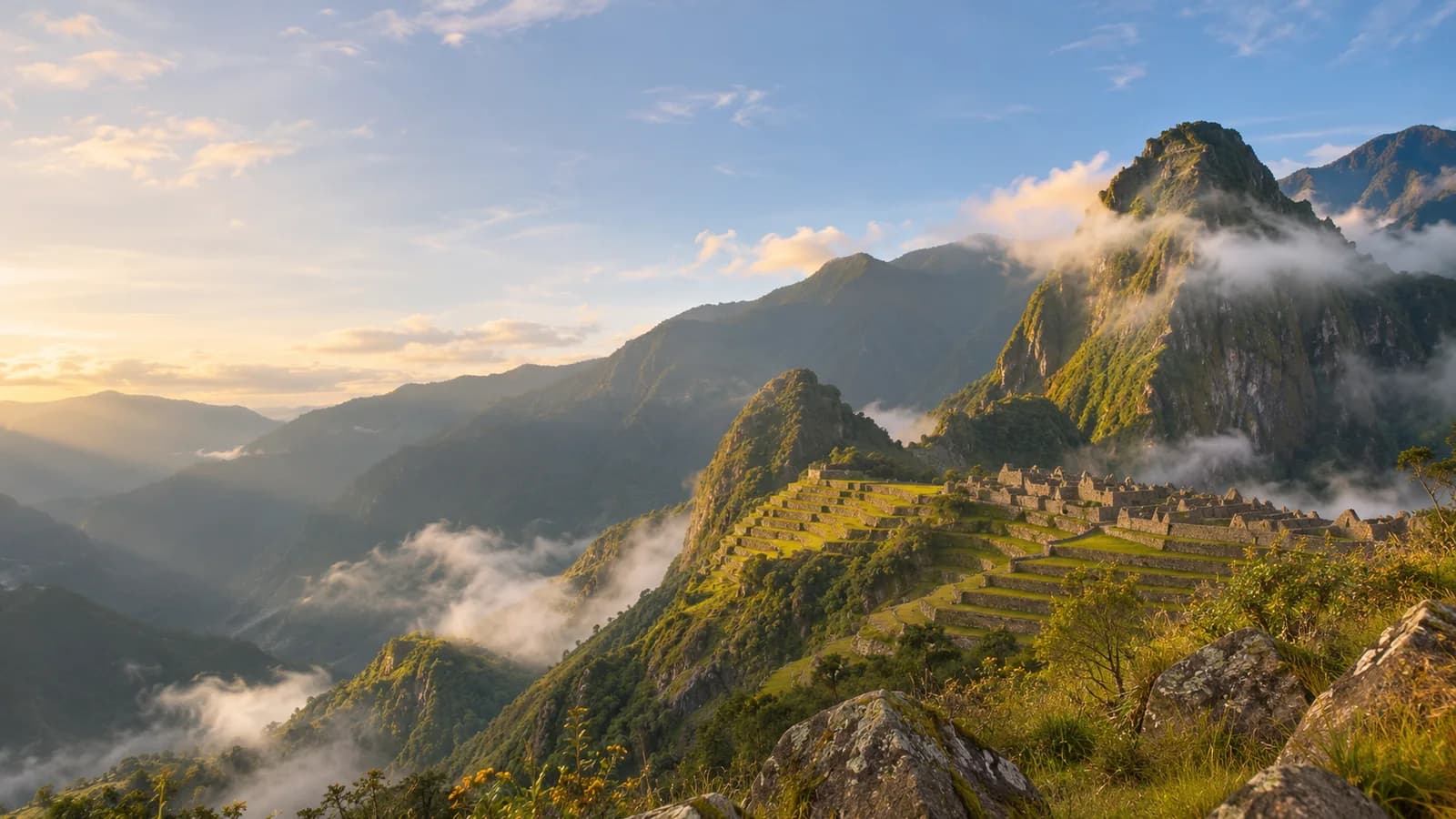
Short answer: April through October usually brings less rain in the Cusco region, but the best time to visit Machu Picchu depends on what you want to optimize. For a greater chance of drier walking conditions, look at the middle of that window. For a more flexible trip, consider the transition months and keep room in your itinerary for weather changes. No month guarantees a cloud-free view.
There is an important distinction: visiting the citadel, hiking the Inca Trail and photographing the classic panorama are different plans. They may need different tickets, routes and timing. Use this guide to choose a travel window first; then check the official circuit map and current admission availability before buying a train or tour.
Choose by your travel priority, not by a single “best” date
| Your priority | A useful starting window | Trade-off to accept |
|---|---|---|
| Drier trails and outdoor plans | May to September | Popular dates can require earlier booking; cold nights remain possible. |
| A balance of conditions and flexibility | April, May, September or October | Transition weather is variable; plan layers and a spare day if possible. |
| Green landscapes and a flexible schedule | November to March | Rain, cloud and travel disruption become more likely. |
| A Classic Inca Trail trek | Check permit dates before flights | The trail has historically closed in February for conservation; the citadel is a separate visit. |
This is planning guidance, not a forecast. PROMPERÚ describes lower rainfall in the Andes from April to October and a wetter period from November to March. Local conditions around Machu Picchu can change within a day, so do not promise yourself a specific view based on the month alone.
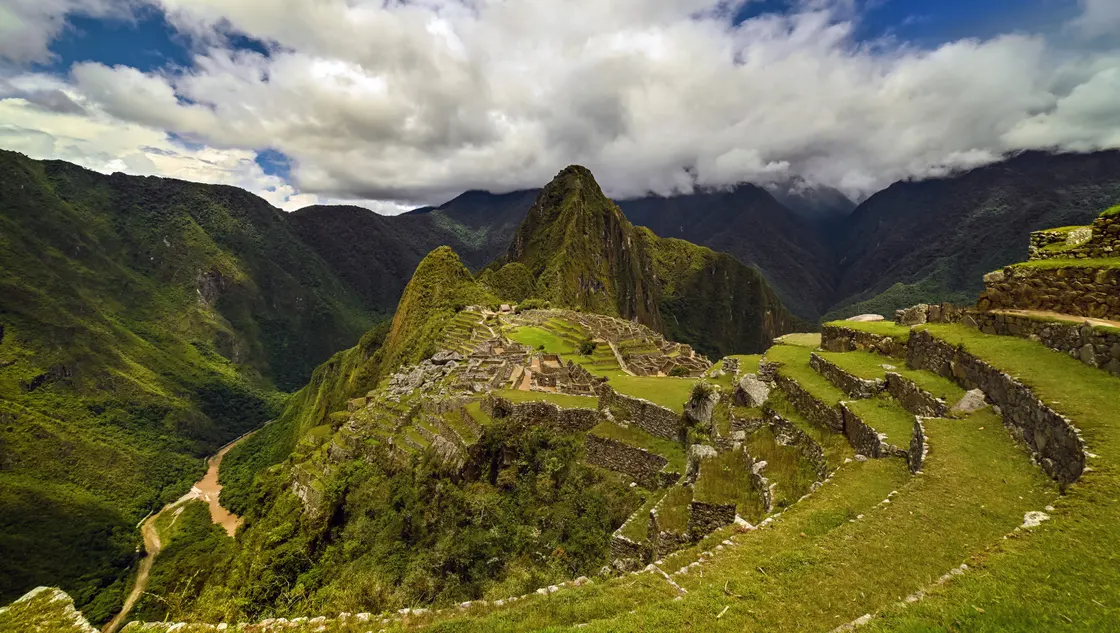
Machu Picchu weather by month: a practical reading
January to March: allow for rain
Expect a wetter travel window and build flexibility around transfers and outdoor plans. January and March can still work if these are your available dates: choose a circuit you actually want, carry a rain layer and do not design a same-day arrival with no margin before your entrance slot. In February, distinguish the archaeological site from the trekking network. SERNANP confirmed the Inca Trail network's February 2026 maintenance closure; check the notice for your own travel year instead of assuming every future schedule is identical.
April and May: a transition worth considering
These months can offer a useful compromise between the wetter season and the driest period. April is still transitional, so plan for showers; May usually sits more firmly in the lower-rainfall period. If you are combining Cusco, the Sacred Valley and Machu Picchu, a night in the valley or Machu Picchu Pueblo can make the itinerary more forgiving than a tightly timed out-and-back.
June to August: prioritize logistics early
These months fall in the generally drier Andean season. That does not mean every morning is clear, and it does not make a mountain route interchangeable with a citadel route. Choose your admission product and train times together. If a particular circuit matters to you, do not wait until the last step to check its availability.
September and October: balance the itinerary
September often remains within the lower-rainfall window; October moves toward the seasonal change. These can be attractive months for travelers who want to pair a Machu Picchu visit with a multi-day trek without centering the entire trip on peak dry-season dates. Bring layers for sun, wind and rain, and verify the current route rules when booking.
November and December: plan for variability
Rain becomes more likely as the wetter period returns. A green landscape can be beautiful, but a misty morning may conceal the view you imagined. Avoid treating an early entrance as a guarantee of sunrise; give yourself a weather-aware plan and enough time to reach the gate.
Month-by-month planning guide. Regional patterns, not a forecast for the citadel.
| Month | Usual pattern | How to plan |
|---|---|---|
| January | Wetter period | Avoid a tight same-day connection; carry rain protection even if Cusco starts clear. |
| February | Wetter period | Check the trail closure notice for your year. Check citadel admission separately. |
| March | Wetter period | Give yourself a backup day if a specific viewpoint is your reason for going. |
| April | Transition toward drier weather | A useful date if flexible; keep the rain layer and a less compressed schedule. |
| May | Generally drier | Start here if you want lower rainfall without relying on June or July availability. |
| June | Generally drier | Check your exact circuit before adding fixed train tickets or other Cusco plans. |
| July | Generally drier | Keep more than one date in play if your preferred circuit is the priority. |
| August | Generally drier | Pack layers for early transfers and sun protection for exposed sections. |
| September | Generally drier | A useful option for combining a citadel visit with time in the Sacred Valley. |
| October | Transition toward wetter weather | Build in daylight and spare time if you are adding a longer walk. |
| November | Wetter period returns | Pack for rain and confirm the next connection before leaving for the station. |
| December | Wetter period | Check holiday transport and admission early; have a plan for mist or showers. |
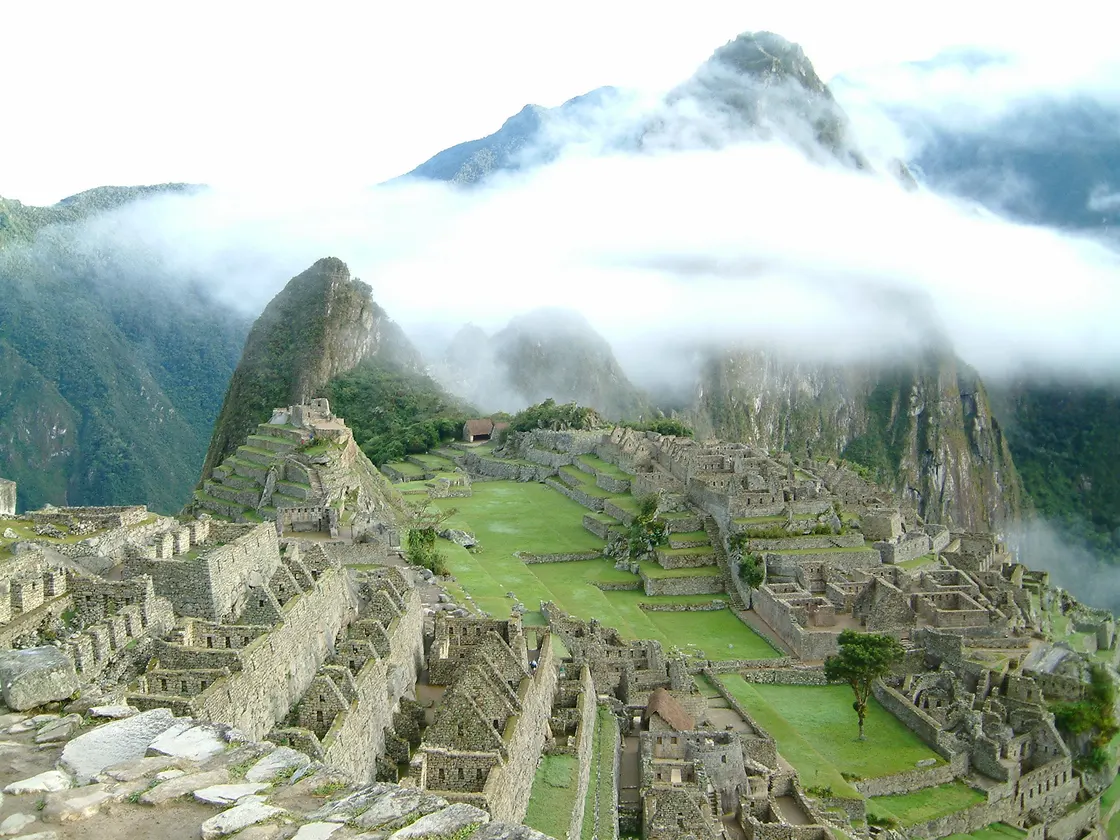
Best time for the Inca Trail is a separate decision
The trek adds several days of exposed walking, permit logistics and overnight conditions to the visit. If the Classic Inca Trail is the reason for your trip, start with the official trail calendar and permit availability, then fit flights around it. The citadel can remain visitable when a trekking route is closed; the two should never be advertised as the same product. Read our Inca Trail altitude guide before deciding how many days to spend acclimatizing.
Some travelers would rather reach Machu Picchu by rail and spend more time in Cusco or the Sacred Valley. Compare our Machu Picchu day trip by train with the four-day Inca Trail; verify the exact circuit, train and inclusions shown for the departure you choose.
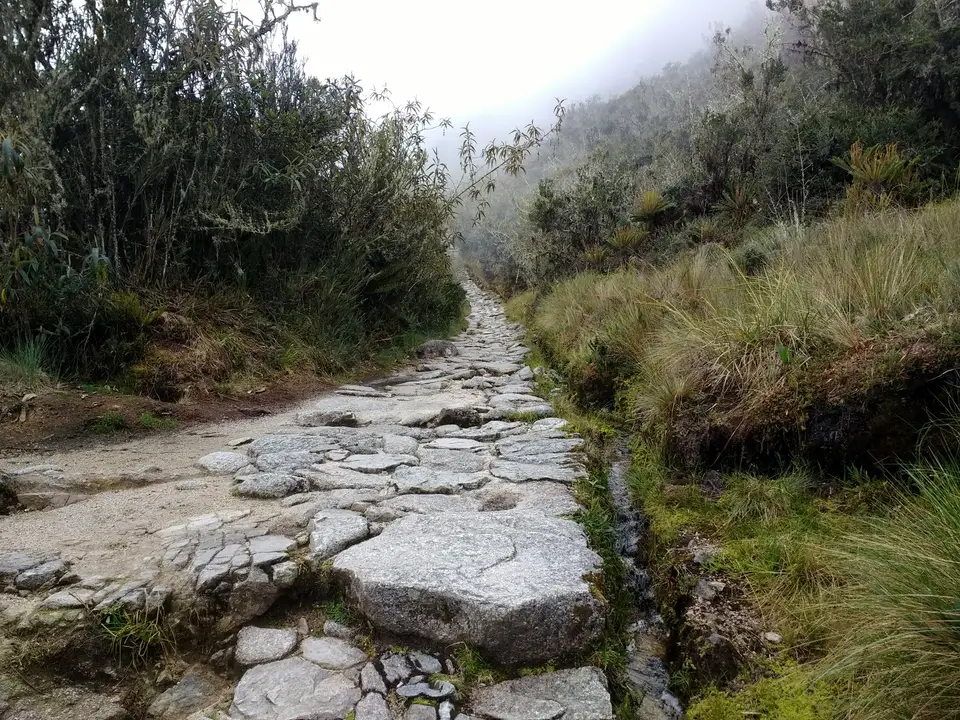
Early or late entry? Start with the circuit, then the forecast
For a first visit, choose what you would most regret missing. If it is the wide view, compare the official panoramic routes with the classic circuit before paying. If it is time among the stone buildings, look at the actual urban route rather than choosing a ticket by its photo. Some routes are seasonal and can have different entry windows. Check the route descriptions and maps alongside the official visiting hours.
Early entry can work well if you are already staying in Machu Picchu Pueblo. It does not promise sunrise or better visibility, and it can be a poor fit with a train from Cusco the same morning. A later slot may simplify arrival; it also shifts the time you need for your descent and return. When choosing between two dates, compare complete itineraries rather than entry times in isolation.
What to change if the forecast turns wet
Keep a lightweight rain layer and footwear with grip ready even in the drier season. Protect your ticket and phone, and leave more time for the journey from your hotel to the gate. If you have not booked yet and cannot move the date, prioritize a route you would still enjoy without a completely clear panorama. If you already hold a ticket, check the operator’s change conditions before assuming you can move it.
Build a backup day into a short trip
Put Machu Picchu before your final day in Cusco if your itinerary permits it. A buffer gives you room to deal with transport changes without immediately risking your onward flight. It does not create an extra entrance: a second visit needs its own available admission. Plan indoor or town activities as the flexible part of the trip, not the entrance itself.
A booking sequence that protects the day
- Choose your experience: classic urban-sector visit, panorama, mountain hike or Inca Trail arrival. The Ministry of Culture's circuit list groups ten routes under three circuits, and some routes are seasonal.
- Check the specific ticket: date, route and entry time on TuBoleto or with the operator arranging your admission. A general capacity number does not prove your preferred route is available.
- Fit transportation to admission: allow realistic transfer and queue time. An early train is useful only when its arrival leaves enough margin to reach the gate.
- Protect the return: do not assume a visit ends at a fixed minute, especially if you have a guided experience or another connection the same day.
Common questions
What is the best month to visit Machu Picchu?
There is no universal winner. May and September are sensible starting points if you want a lower-rainfall period without making the choice solely on midsummer dates. For any month, confirm the circuit and transport before committing to flights.
Is Machu Picchu open in February?
The February closure announced by SERNANP for 2026 applied to the Inca Trail network, not automatically to every Machu Picchu citadel admission. Always check the latest official notices for the year and route you plan to use.
Does dry season guarantee a clear classic photo?
No. Weather and clouds change locally. Your ticket must also include a route with the viewpoint you want; a panoramic photo is not guaranteed by buying any Machu Picchu ticket.
Should I spend the night in Machu Picchu Pueblo?
Consider it if you want an early entry, have a long onward journey, or prefer fewer transfers on the day. An overnight stay buys logistical margin, not a better weather forecast. If you choose a day trip, verify that both train directions leave time for the town-to-gate segment.
Sources and review: PROMPERÚ climate guidance, PROMPERÚ Machu Picchu guide, official circuits and routes, and SERNANP's 2026 trail closure notice. Seasonal and ticket rules should be rechecked before publication and whenever official guidance changes. Cover art is an original AI-generated editorial illustration, not a photograph of the site.